

In this article
Children rarely love what feels like a chore. These seven habits help the Quran become a warm part of family life, rather than one more task on the list.
1. Let them see you with the Quran
Children copy what they see. A few minutes of your own recitation each day, where they can hear it, teaches more than any reminder.
2. Keep it short and regular
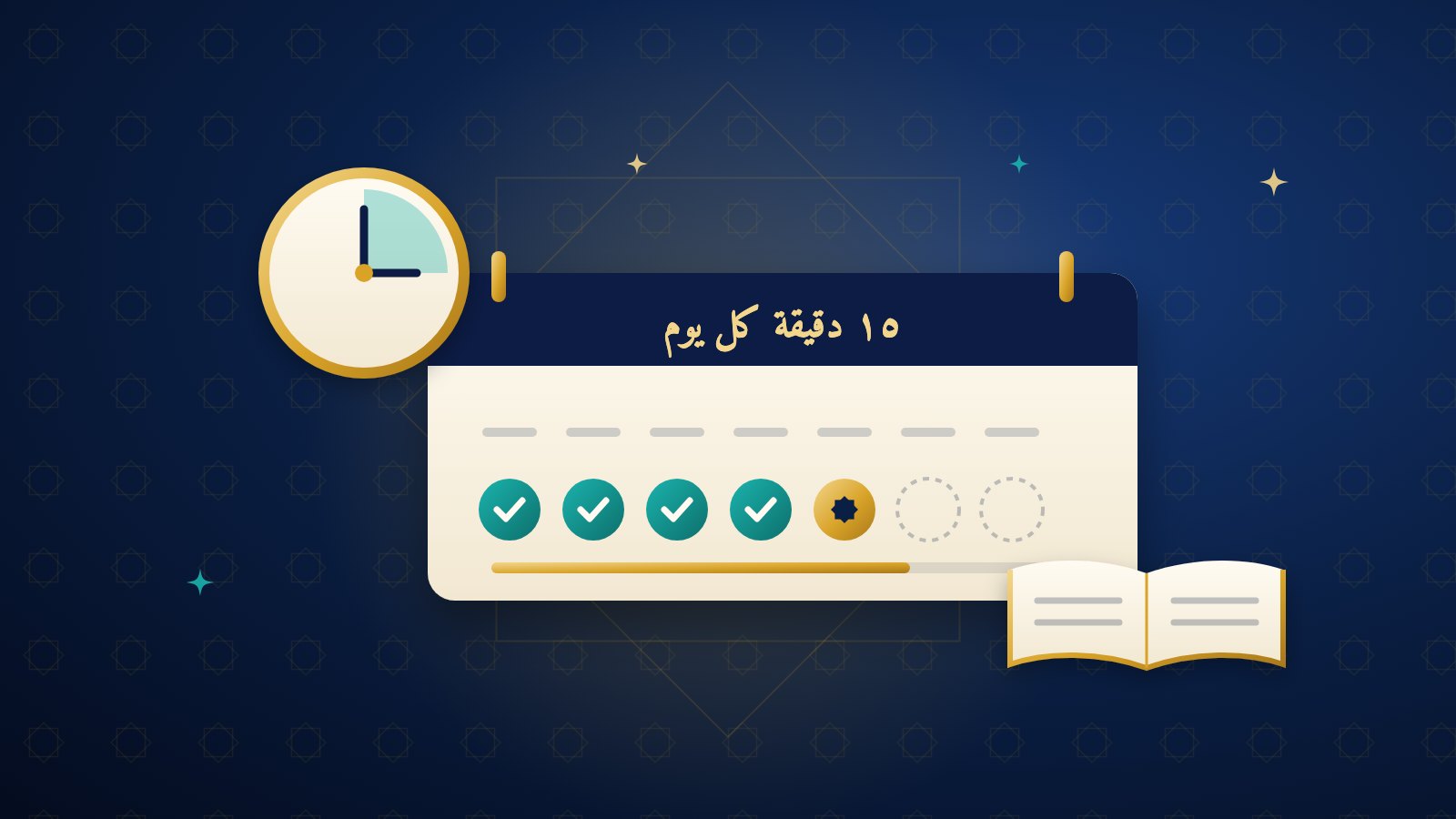
Ten good minutes every day are worth more than an hour once a week. Choose a fixed time, for example after Maghrib, so it becomes part of the day.
3. Tell the stories
The Quran is full of stories: Yusuf and his brothers, the young men of the cave, Musa and Pharaoh. Tell them at bedtime, then show your child where they are in the Mushaf.
4. Praise effort, not only results
Notice the effort as well as the achievement: “You practised every day this week.” Children who feel encouraged keep going when it gets harder.
5. Celebrate milestones
Finishing a surah, a juz or a level deserves a small celebration. For younger children, a sticker chart on the fridge works wonders.
6. Connect it to daily life
Recite Al-Ikhlas, Al-Falaq and An-Nas together before sleep, as the Prophet ﷺ did, and explain that the words we say every day come from the Quran.
7. Choose a teacher your child likes
A patient, kind teacher makes children look forward to their lessons. If your child dreads class, talk to the teacher, or ask the academy for a change.
Every child is different. Small, steady steps, taken with love, matter far more than speed.
Learn it with a teacher
Shabāb Al-Hudā: youth program (7–15)Quran, faith and character for young Muslims growing up abroad.
Ready to start learning?
Book a free 30-minute lesson with a qualified teacher. No card needed.