
In this article
Many families abroad notice the same thing: the children understand Arabic, but answer in the language of school. Without a plan, Arabic slowly becomes a language they hear but no longer speak. The good news is that a few steady habits make a real difference.
Make home an Arabic place
- Set a simple rule, such as Arabic at the dinner table, or one parent always speaks Arabic.
- Keep going even when they answer in another language. Repeat their answer back in Arabic, gently, without turning it into a lesson.
- Use the everyday phrases that also remind of Allah: ten Arabic phrases for families is a good start.
Feed their ears
- Bedtime stories in Arabic, read or told.
- Audio stories and shows in clear Modern Standard Arabic.
- Regular video calls with grandparents and cousins.
Make it useful
Children keep a language they need. Let them order food on a family trip, read a card to their grandmother, or teach a friend a word. Every real use makes Arabic theirs.
Reading and writing
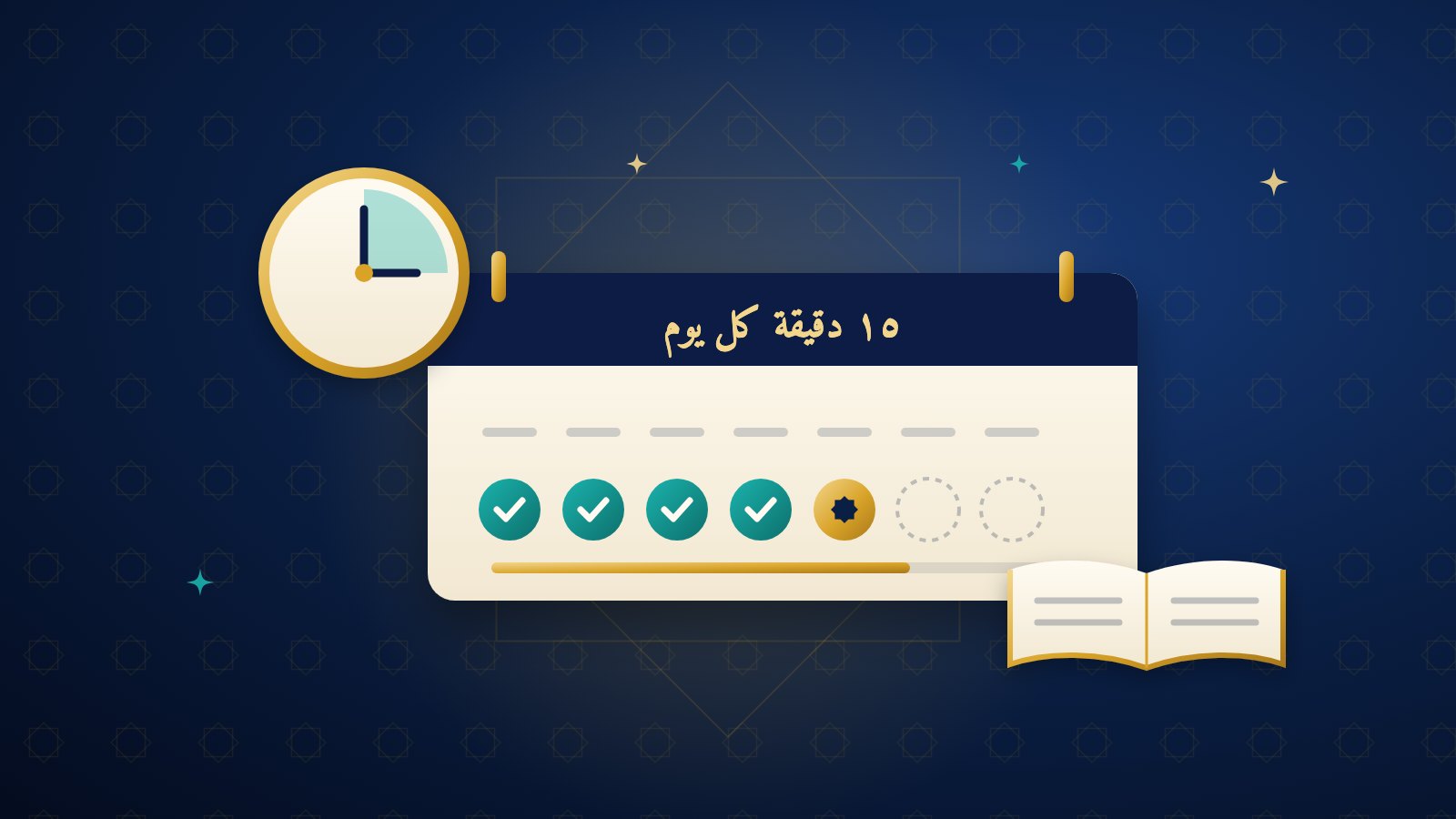
Speaking at home is the foundation, but reading and writing usually need regular lessons. Short, steady steps work best: how the letters change shape, numbers and days and months are easy places to start.
Be patient
There will be phases when Arabic seems to slip. Keep the habits, keep it warm, and avoid making it a battle. Children who grow up with Arabic at home often return to it with enthusiasm as teenagers.
Our Arabic programs teach children abroad to read, write and speak, with teachers who understand bilingual families. Not sure of your child's level? Try the free Arabic level test.
Ready to start learning?
Book a free 30-minute lesson with a qualified teacher. No card needed.